
Bleeding gums can be alarming, but it is a common issue that affects many people at some point in their lives. While occasional mild bleeding might not be serious, persistent or heavy bleeding can signal an underlying health problem. Understanding the causes of bleeding gums is essential for maintaining oral health and preventing more serious complications.
Gum Disease
One of the most common reasons for bleeding gums is gum disease, particularly gingivitis. Gingivitis occurs when plaque, a sticky film of bacteria, builds up along the gumline. This buildup irritates the gums, causing redness, swelling, and bleeding, especially during brushing or flossing. If left untreated, gingivitis can progress to periodontitis, a more severe form of gum disease that can lead to gum recession, tooth loss, and damage to the supporting bone structure. Early intervention, including proper oral hygiene and professional dental cleanings, is crucial in preventing these serious outcomes.
Poor Oral Hygiene
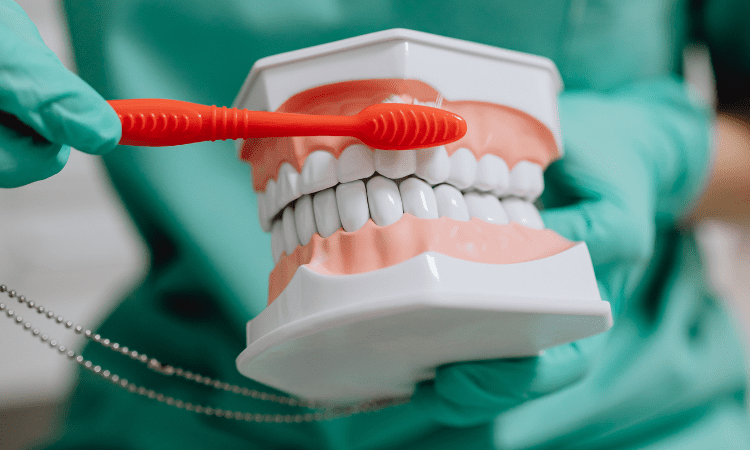
Even without active gum disease, poor oral hygiene can lead to bleeding gums. Infrequent brushing or flossing allows plaque and tartar to accumulate, irritating the gums and making them more prone to bleeding. Additionally, improper brushing techniques, such as using a hard-bristled toothbrush or brushing too aggressively, can physically damage the delicate gum tissue. Maintaining a consistent oral hygiene routine that includes gentle brushing, flossing, and rinsing with an antiseptic mouthwash can significantly reduce the risk of gum bleeding.
Vitamin Deficiencies
Nutritional deficiencies, particularly a lack of vitamin C and vitamin K, can contribute to bleeding gums. Vitamin C is essential for collagen production, which helps maintain healthy gum tissue. A deficiency can lead to weakened gums that bleed more easily. Vitamin K plays a role in blood clotting, and a deficiency can exacerbate bleeding issues throughout the body, including in the gums. Ensuring a diet rich in fruits, vegetables, and leafy greens can support gum health and reduce the likelihood of bleeding.
Hormonal Changes
Hormonal fluctuations can also impact gum health. During pregnancy, menstruation, puberty, or menopause, hormonal changes can increase blood flow to the gums, making them more sensitive and prone to bleeding. This condition, often referred to as pregnancy gingivitis when it occurs during pregnancy, is usually temporary but still requires careful attention to oral hygiene. Regular dental checkups are important during these times to manage sensitivity and prevent complications.
Medical Conditions and Medications
Certain medical conditions and medications can influence gum bleeding. Blood disorders, diabetes, and immune system deficiencies can all affect the gums’ ability to heal and resist infection. Medications that thin the blood, such as anticoagulants, can also make bleeding more likely, even with minor gum irritation. It is important for individuals taking these medications or managing chronic conditions to inform their dentist, as special care may be necessary to maintain oral health.
Lifestyle Factors
Lifestyle choices can play a role in gum health. Smoking and excessive alcohol consumption can weaken gum tissue and impede healing, increasing the risk of bleeding. Stress can also contribute indirectly by weakening the immune system, making gums more susceptible to infection. Adopting a healthier lifestyle, including quitting smoking, moderating alcohol intake, and managing stress, can support overall oral health and reduce the likelihood of gum problems.
When to Seek Professional Help
Occasional mild bleeding from the gums may be manageable at home with proper care. However, persistent or severe bleeding, especially if accompanied by pain, swelling, or bad breath, should prompt a visit to a dental professional. Early detection and treatment of underlying issues, whether they are related to gum disease, nutritional deficiencies, or medical conditions, can prevent more serious complications and maintain overall oral health.
Treatment for Bleeding Gums in Trinity, FL
At Smiles of Trinity Family Dentistry, we are dedicated to helping you preserve your oral health. If you experience red, swollen, or bleeding gums, gum disease could be the culprit. Contact our office today to schedule a consultation and learn more about your treatment options and how to prevent further gum complications.