
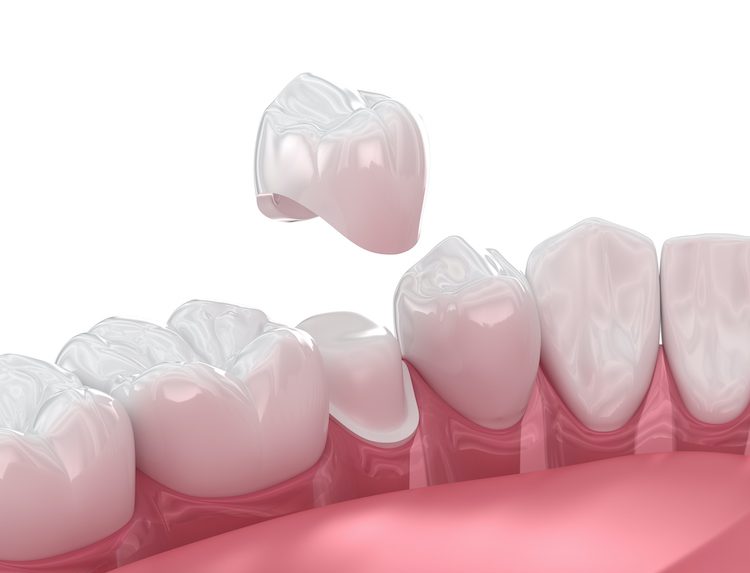
Dental crowns are one of the most common restorative treatments in modern dentistry. They are custom-made caps that cover a tooth, restoring its shape, strength, and appearance. While crowns are often associated with cosmetic improvements, they also serve a vital role in protecting compromised teeth. Understanding when a dental crown is necessary can help you make informed decisions about your oral health and treatment options.
After a Root Canal Procedure
One of the most common times a dentist will recommend a crown is after a root canal treatment. During this procedure, the infected or damaged pulp inside a tooth is removed, and the tooth is cleaned and sealed. Although the infection is treated, the tooth itself can become brittle and more susceptible to fractures. A dental crown is placed over the tooth to reinforce its structure, prevent breakage, and restore functionality.
To Repair a Broken or Chipped Tooth
Teeth can chip or break due to trauma, chewing hard foods, or grinding at night. In many of these cases, a filling alone won’t be strong enough to repair the tooth. A dental crown provides a durable and protective cover that holds the broken parts together and prevents further damage. Crowns could restore the tooth’s natural function and prevent pain caused by pressure or temperature sensitivity.
When a Tooth Is Severely Decayed
Cavities that are too large to be treated with a traditional filling may require a crown. In cases of advanced decay, the structural integrity of the tooth is compromised, making it unable to withstand normal biting forces. After removing the decay and preparing the remaining tooth structure, a crown is placed to protect what remains and provide a strong, stable surface for chewing.
To Strengthen a Tooth with a Large Filling
When a tooth has undergone multiple fillings or one very large filling, it may be structurally weak. Large fillings can thin the surrounding tooth enamel, increasing the risk of fracture. Placing a crown in these cases helps stabilize the tooth, distribute pressure more evenly, and reduce the risk of future damage. It’s a proactive measure that could save the tooth from more invasive procedures down the line.
For Cosmetic Enhancements
Crowns aren’t always used strictly for restorative purposes. In some cases, they are chosen for cosmetic reasons. A misshapen, discolored, or worn-down tooth can be covered with a porcelain or ceramic crown that closely matches the surrounding teeth. This could dramatically improve the appearance of a smile, especially when other options like veneers or bonding are not suitable.
To Anchor a Dental Bridge
If you’re missing one or more teeth, a dental bridge may be used to fill the gap. The bridge is held in place by crowns placed on the teeth adjacent to the missing tooth or teeth. These crowns act as anchors, securing the artificial tooth in place and restoring the function and aesthetics of your smile. Without these supportive crowns, the bridge would not have the necessary stability.
Following Dental Implant Placement
When a dental implant is placed to replace a missing tooth, the final step is often the attachment of a crown. The implant itself acts as a new root, while the crown completes the restoration by serving as the visible and functional part of the tooth. This combination often provides a highly durable and natural-looking solution for tooth replacement.
Dental Crown Treatment in Trinity, FL
At Smiles of Trinity Family Dentistry, we are dedicated to helping you preserve your oral health. If you have deep decay or extensive damage, a dental crown could protect your tooth and prevent the need for an extraction. Contact our office today to schedule a consultation and learn more about your treatment options.